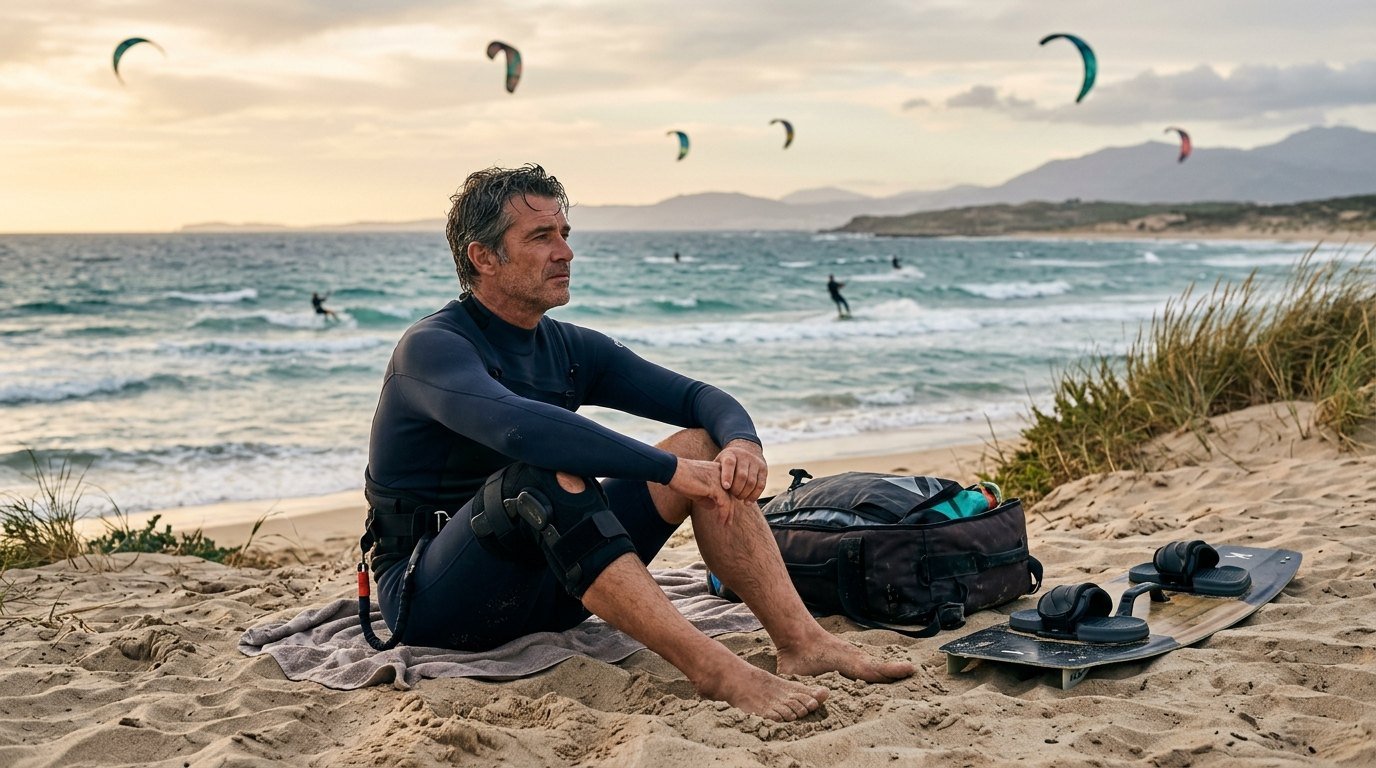
A tweaked knee, a sore shoulder, a cracked rib, a tendon that won't settle. Injuries are part of any sport where you jump into the sky attached to a giant wing. What matters is what you do next. The two classic mistakes: doing nothing at all for weeks, or jumping straight back into a big session the first day it feels better.
First: Get It Checked
Anything more than a minor strain (a big swelling, a joint that gave way, numbness, pain that wakes you at night, or anything that isn't improving after a week or two) deserves a doctor or a good sports physio. A clear diagnosis is the fastest route back. This article is general guidance, not a replacement for that.
1. Relative Rest, Not Bed Rest
Tissues heal best with the right amount of load, not none. Complete rest makes muscles weaker and tendons stiffer, and your comeback slower. Keep moving everything that doesn't hurt, and gently load the injured area as soon as your physio says it's OK.
- Hurt knee? Upper body, core and swimming can usually continue.
- Sore shoulder? Legs, core and cycling are fair game.
- Keep your fitness: It makes the return much easier. See VO2 Max for ideas that don't need a kite.
2. The Pain-Monitoring Rule
For tendon problems especially, sports physiotherapists often use a simple traffic-light approach (developed in tendon research by Karin Grävare Silbernagel and colleagues):
- Green: Pain during exercise stays at or below about 5 out of 10, and it settles by the next morning. Keep going.
- Yellow: Pain is a bit higher or lingers into the next day. Hold the load where it is.
- Red: Pain shoots above that, or you're worse the next morning. Back off a step.
3. The Staged Return to the Water
Stage 1: Rebuild on Land
Rehab exercises from your physio, plus the routines in The 100-Year Frame and Shoulders, Elbows & Wrists. You should be able to squat, jump or push (depending on the injury) without pain before touching a kite.
Stage 2: Easy Riding
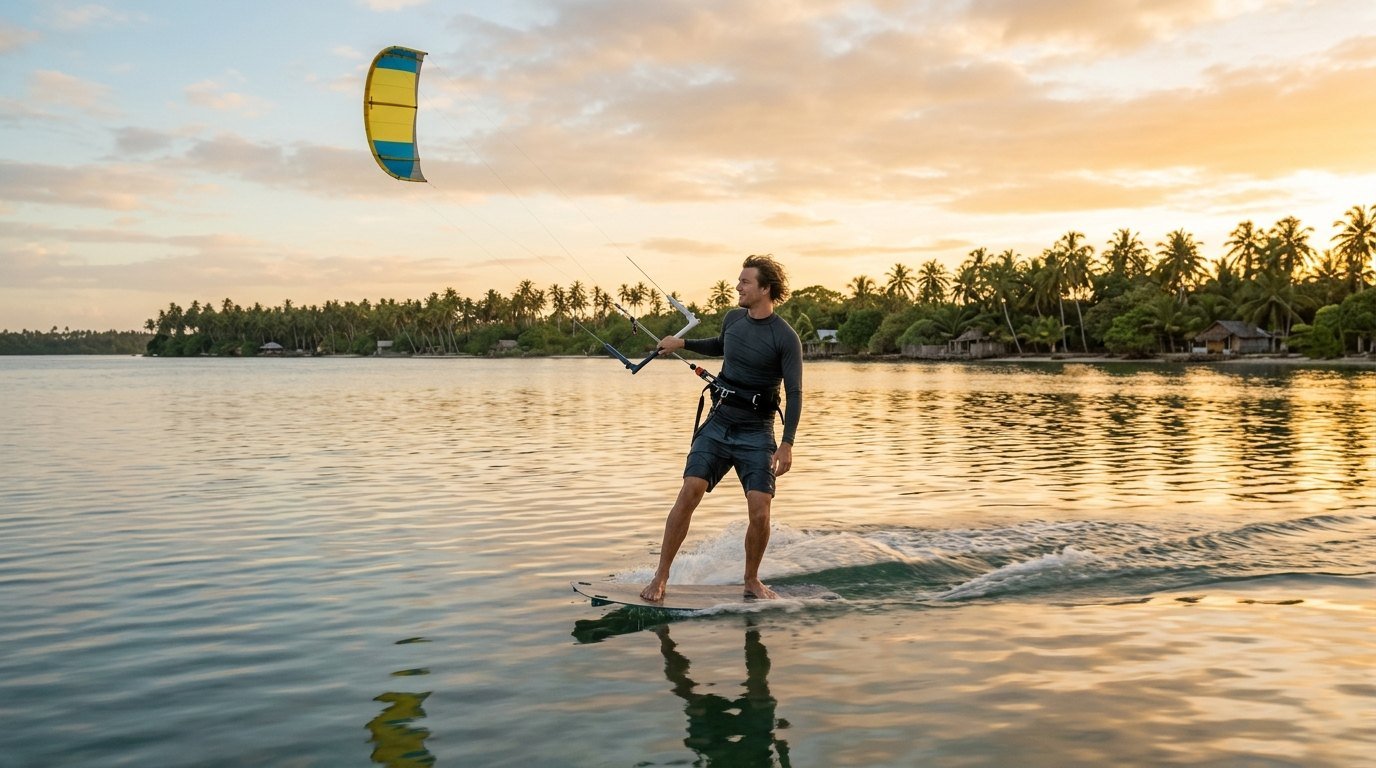
Cruise in steady, moderate wind on a familiar spot. 30 to 60 minutes. Check how it feels that evening and the next morning.
Stage 3: Build Volume
Increase one thing at a time: session length, wind strength, or trick difficulty. Never all three at once.
Stage 4: Back to Full Send
Only when strength is back to normal (compare with your healthy side) and you've had a couple of weeks of pain-free riding.
4. Feed the Repair
- Protein: Healing tissue needs plenty. Aim for a solid portion at every meal; injured athletes often need more than usual, not less.
- Collagen + vitamin C before rehab: In a study from Keith Baar's lab, gelatin with vitamin C an hour before exercise doubled a marker of collagen production. Bone broth or gelatin plus some fruit before your rehab session is an easy habit.
- Sleep: Most tissue repair happens overnight. More in Sleep: The Recovery Tool.
- Building blocks: The DoNotAge daily sachet we take includes glycine (a third of collagen), Ca-AKG (a collagen and bone helper), hyaluronic acid and vitamin D3/K2 for bones. It's a simple way to cover the basics every morning while you heal.
5. The Mental Comeback
Physical healing is only half of it. After a bad crash, many riders come back hesitant: holding back on jumps, tensing up in gusts, avoiding the trick that hurt them. That's normal. Use the tools in The Mental Game: breathing before you commit, visualizing clean reps, and stepping back up one small level at a time. Confidence comes back the same way strength does: gradually, with reps.
Support Your Recovery (10% Off)
Glycine, Ca-AKG, hyaluronic acid, vitamin D3 and K2 are all in the DoNotAge daily sachet, together with NMN and 10 more ingredients. Use discount code KITEHOMIEZ at checkout for 10% off your entire order.
Shop DoNotAge →Free: The Kiter's 10-Minute Flexibility Routine
The mobility and core routine we use before and after sessions, as a free PDF. Plus new videos and posts every few weeks.
This article is for general education and isn't medical advice. Talk to your doctor before starting a supplement or a fasting routine, especially if you are pregnant, have a medical condition or take medication. Some links on this page are affiliate links: if you buy through them, we earn a small commission at no extra cost to you.