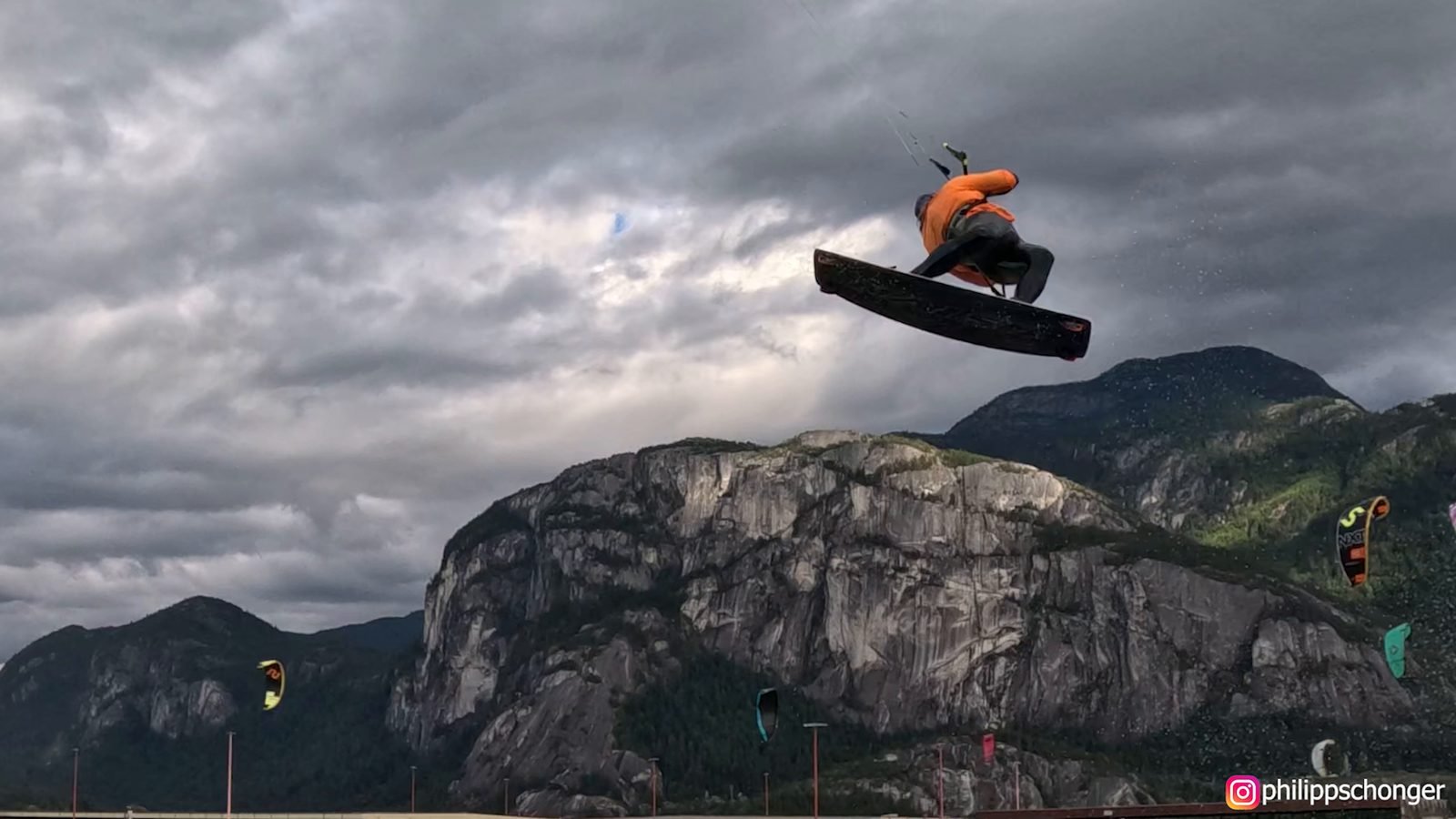
Every summer in Squamish ends the same way: with the North West Wind Open, the local big air contest on the Squamish Spit. It's organized by local legend Sam Medysky, made possible by the Squamish Windsports Society, West Coast Wind Sports and Squamish Watersports, and it's the closest thing our community has to a season finale. This year it ran August 28 to 30, and we were there with cameras for the whole thing.
1. The Conditions: Not Exactly Textbook
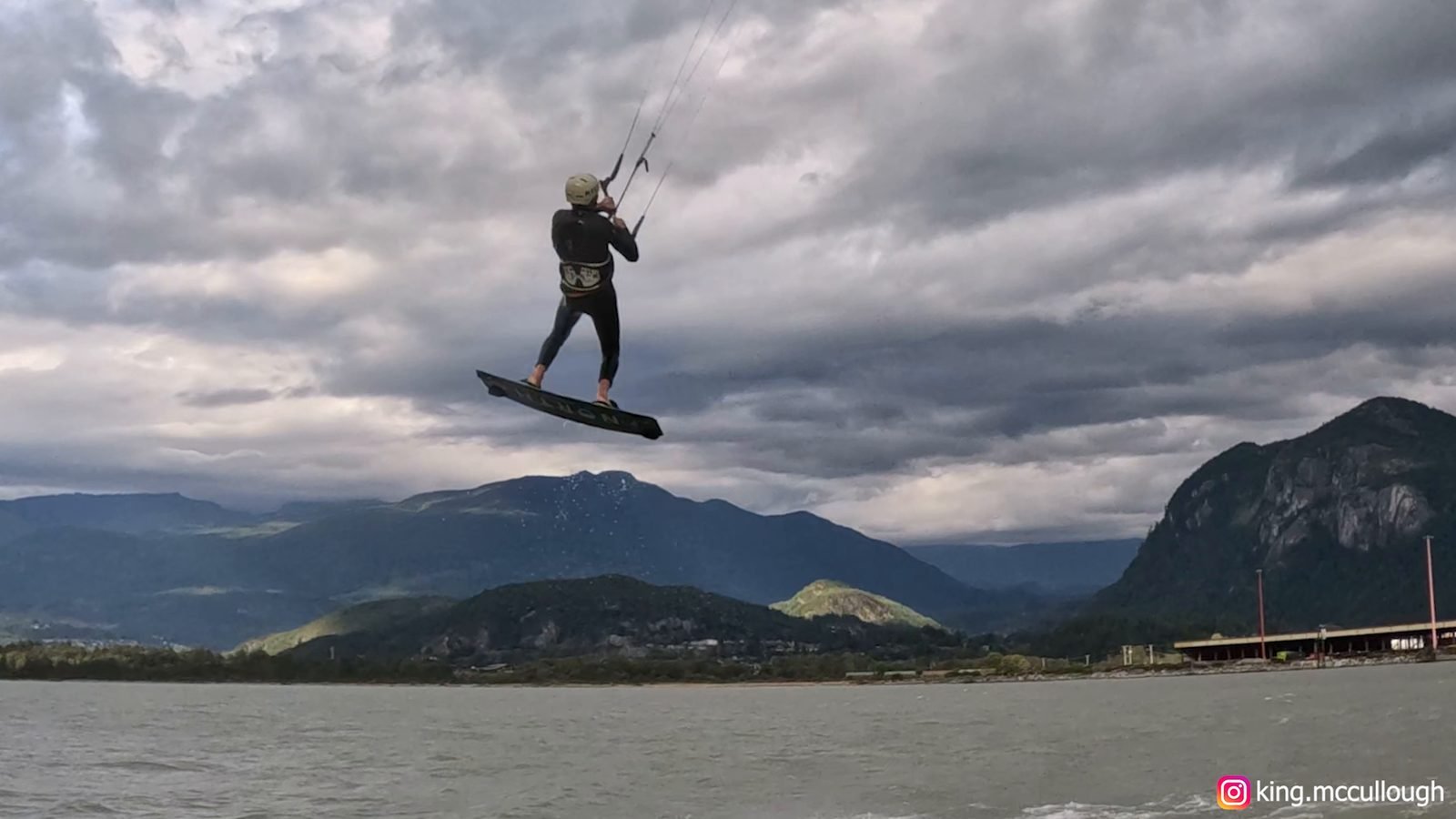
Late August is the tail end of the Squamish thermal season, and it showed. The wind was light and gusty, and an incoming tide pushed against it, which turned the water choppy and made line tension hard to find. In big air, that's the worst combination: you need a solid, steady pull to load your edge and a clean take-off spot to pop from, and neither was guaranteed from one tack to the next.
And still, nobody held back. Riders sent it, crashed hard, got back up and sent it again. Some of the best moments of the weekend were the wipeouts.
2. The Results
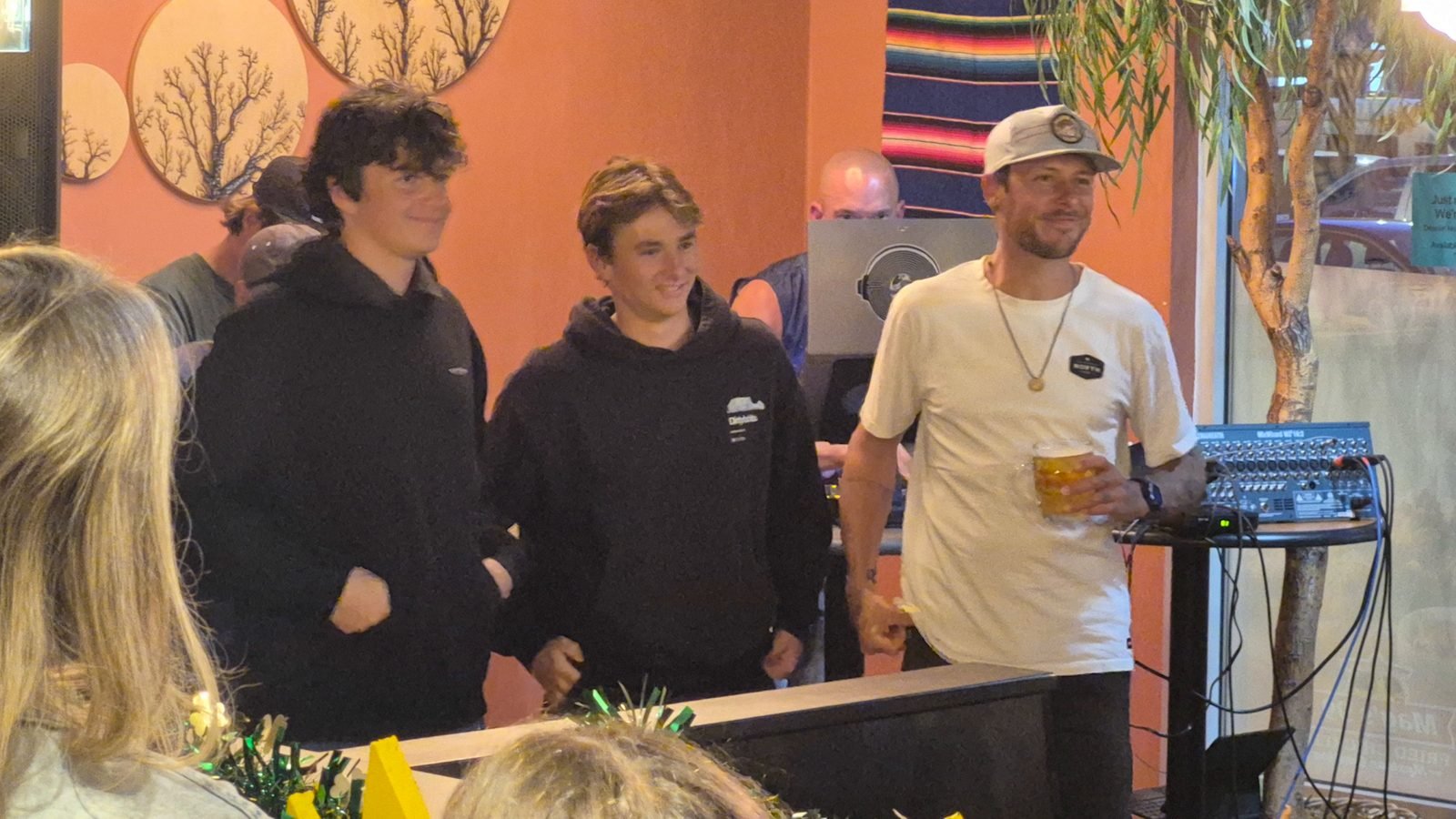
The awards night was at a local restaurant, packed with riders, friends and families. Final results:
Men
🥇 Kai Norie 🥈 Dane McCullough 🥉 Nixon Lorman
Women
🥇 Yulin Wang 🥈 Jessi Lynn 🥉 Andrea Viner
Huge congrats to everyone who competed. Next year's comp is planned to be even bigger and scheduled earlier in the summer, when the thermals are at their strongest.
3. Five Lessons for Sending in Light, Gusty Wind
You don't need to be in a contest to use these. Most of us spend a lot of our sessions in less-than-perfect wind. Here's what the riders who did well had in common:
Pick Your Gust
In gusty wind, the jump starts long before take-off. Watch the water upwind for the dark patch of the next gust, cruise until it reaches you, then build speed and load into it. Jumping in a lull just gives you a flat, short hop.
Keep the Kite Moving
A parked kite in light wind loses power and the lines go soft. Gently working the kite (small sine waves) keeps it flying and keeps your lines tight, so you have something to edge against when the gust arrives.
Edge Hard, but Shorter
Choppy water from wind against tide makes long, hard edging sketchy. A shorter, sharper edge in the cleanest patch you can find, with your weight back and knees soft, gives a better pop than fighting the chop for 30 metres.
Know When to Bail
In gusty air, a jump can go wrong fast. If the kite stalls or you lose orientation, let go of the bar and get compact rather than trying to save it. Most bad kite injuries come from fighting a crash instead of letting it happen. Our injury comeback guide covers the other side of that.
Have a Bigger Kite Ready
In marginal conditions, the riders who went highest were often simply on the right size. If you have a bigger kite, rig it before the wind fades, not after.
4. The Squamish Spit: Why This Spot Is Special
The Spit is a long, narrow strip of land pushing out into Howe Sound, with the Stawamus Chief towering behind it. On a good summer afternoon, the thermal wind funnels down the sound and turns it into one of the most spectacular kite spots anywhere. It's run by the Squamish Windsports Society, which keeps the Spit open, organizes the rescue boat and maintains the launch area, so support them with a day pass or a membership when you ride there.
The water stays cold all year, even in August, so a good wetsuit is part of the deal. If you're new to cold-water riding, read Cold-Water Kiting before your first session.
5. Then the Fall Storms Arrived
After the comp, we kicked off the autumn season with our first storm session at Boundary Bay, our perennial fall spot. It rained the whole drive and stopped right at the beach (classic). The forecast promised 30-plus knots; on the water it felt like about 20, which on a 10-metre kite was just perfect. We rode with Wes, the local who reads forecasts better than anyone we know, and the wind kept building as the session went on, exactly when everyone else was packing up.
The Lesson From Boundary Bay
Forecasts are a starting point, not a promise. Go, check it with your own eyes, and give it some time. Some of the best sessions start right when other riders give up and drive home.
6. What's Next
Hood River and Squamish both delivered this season. As the weather turns and the fall storms roll in, the Kitehomiez channel is switching to more tutorials. Tell us on YouTube which trick or tip you want to learn next. And if the comp crashes made your back hurt just watching, our recovery guide for kiters is the place to start.
Watch the Comp and the Storm Session
The full North West Wind Open 2026 video, the Boundary Bay storm and the tutorials coming this fall are all on the Kitehomiez channel.
Subscribe on YouTube →Free: The Kiter's 10-Minute Flexibility Routine
The mobility and core routine we use before and after sessions, as a free PDF. Plus new videos and posts every few weeks.
This article is for general education and isn't medical advice. Talk to your doctor before starting a supplement or a fasting routine, especially if you are pregnant, have a medical condition or take medication. Some links on this page are affiliate links: if you buy through them, we earn a small commission at no extra cost to you.